
Selling My Off-Grid Luxury Minivan Camper: Full Tour of Everything Included
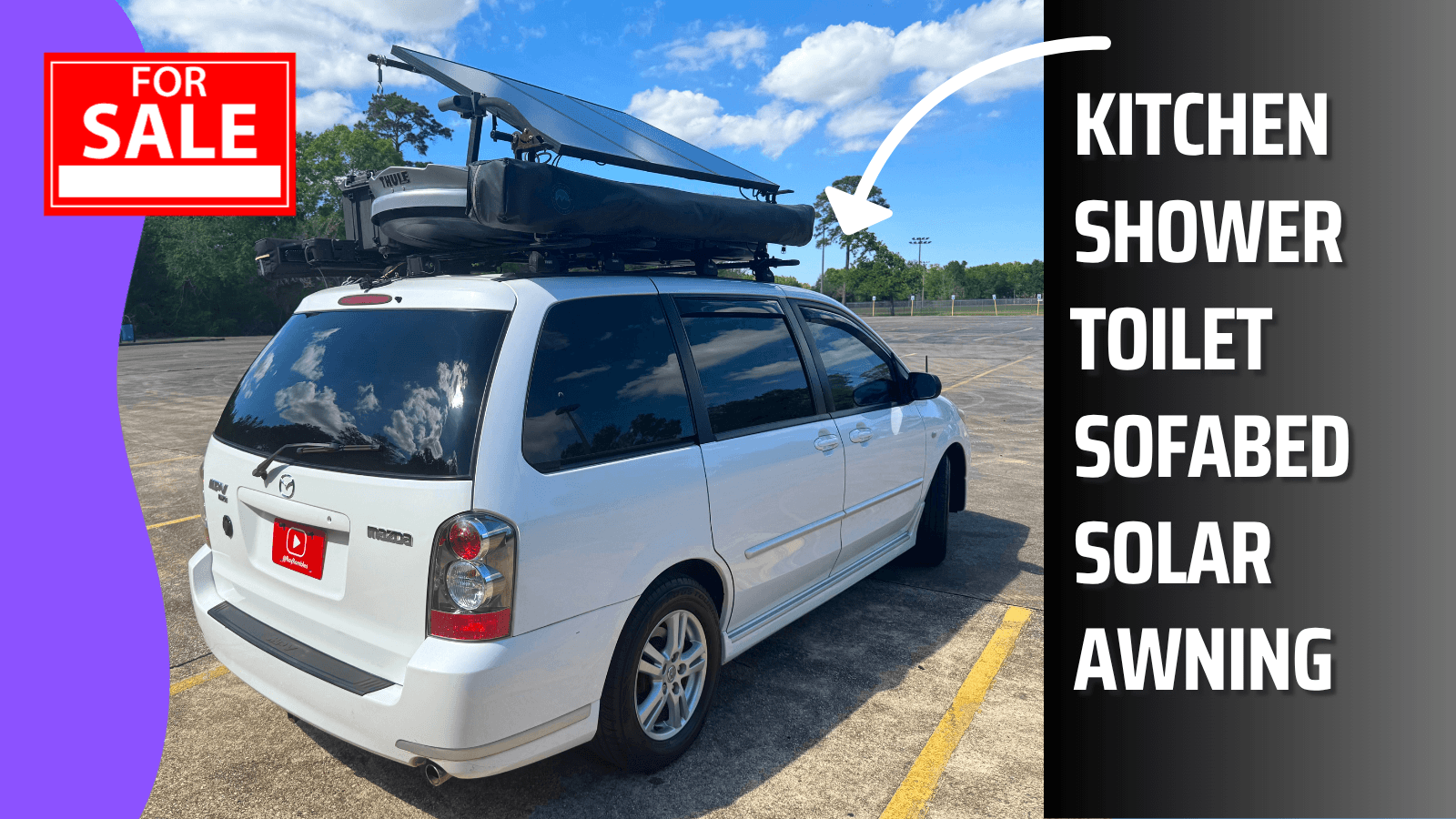
Hey guys, it’s Ray, and this is a bittersweet one for me. I’ve decided to sell my off-grid luxury minivan camper, and in this post I want to walk you through everything that makes this build so special. This isn’t just a vehicle with a bed thrown in the back. It’s a thoughtfully designed, highly functional camper setup that I built to be comfortable, practical, and ready for real adventure. Everything you see on it comes with it, and I want to show exactly what makes it such a unique rig.

The van itself is a 2006 Mazda MPV LX, and one of the things I love most about it is how well it has held up. I’m the second owner, and it has just under 100,000 miles on it, which works out to less than 5,000 miles per year. For a 20-year-old vehicle, that’s pretty incredible. It’s front-wheel drive, in beautiful condition overall, and while it has a few minor cosmetic imperfections here and there, that’s to be expected with a van of this age. Structurally and functionally, it has been an amazing platform for this camper conversion.
One of the standout features of this build is the roof setup. I installed 300 watts of solar on top, and the panels can be tilted to maximize solar input depending on where the sun is. That flexibility makes a huge difference when you’re camping off-grid and trying to get the most out of your charging setup. The roof also includes gear boxes, a Thule cargo box, and a shower tent. It’s a highly efficient use of space, and it gives this compact minivan a surprising amount of carrying capacity and utility.
The shower tent is one of my favorite parts of the build because it adds so much versatility. It works as a private shower space, of course, but it also gives you a place to change clothes or set up a portable toilet if needed. On top of that, I added a massive Overland Vehicle Systems 270-degree awning that wraps around the passenger side and the rear of the van. It creates a huge covered outdoor living space and even covers the rear hatch area. That awning alone transforms the feel of camp and makes this little van live much bigger than you’d expect.
Around the back of the van, I added several features that make this build even more capable. There’s a Starlink antenna mount, a waterproof quick-connect junction box for Starlink, and a high-mounted backup camera designed so you can still see clearly even if you have a bike rack or cargo carrier attached. I also installed a waterproof rear power port so you can connect to shore power or a generator from outside the van. That’s one of the few true modifications I made to the body, and it adds a lot of convenience.
Inside the rear hatch, the van is divided into smart functional zones. On one side, I built a water storage and shower system centered around a 7-gallon water tank with a quick-connect hose setup and a powerful 5-gallon-per-minute pump. On the other side is the power system, which is a Bluetti AC200L power station. That unit powers the camper and can also be expanded if the next owner wants even more capacity. I paired it with a Bluetti D40 DC charger to feed DC power up to the fuse panel, and all the wiring is clearly labeled, which makes the system easy to understand and easy to maintain. There are also built-in USB charging options, power delivery ports, safety devices like a CO2 monitor and propane detector, and multiple outlets for running appliances.
Up front and inside the cabin, I designed this van to feel as open and usable as possible. I installed custom waterproof vinyl plank flooring and even added a spare tire access point so the spare can still be lowered easily without the build getting in the way. The sofa converts into a bed by sliding out on drawer slides, and it supports up to 500 pounds. The bed measures 30 inches wide by 75 inches long, and I had the custom foam cushions professionally covered in Sunbrella fabric. They’re durable, comfortable, and made to handle real-life messes and wear.
The kitchen area is another part of the van I’m especially proud of. It includes a removable sink box with running water, a butcher block countertop with a ton of usable prep space, a custom magnetic spice rack, storage bins, and room for cooking appliances. I used it with a double-burner Coleman stove and even an air fryer. There’s also a Bodega cooler that can function as either a fridge or a freezer. I built this space to be modular and efficient, so it works well whether you’re making coffee in the morning or cooking a full meal at camp.
I also added thoughtful everyday comforts throughout the van: removable LED lighting, multiple fans, window coverings, mounted phone charging, battery chargers, vertical storage for kitchen gear and supplies, a fire extinguisher, and even a compact emergency toilet setup. I tried to make every inch count without making the space feel cramped. As someone who is 6'1", I can still fit inside comfortably, which says a lot about how well the interior layout works.
What makes this camper special to me is that it was never just about cramming features into a van. It was about creating a tiny mobile space that actually feels good to live in. It’s functional, efficient, and surprisingly comfortable, whether you’re spending a weekend off-grid or heading out on a bigger road trip. Selling it is definitely bittersweet, but I’m ready for my next adventure, and I’m hopeful this van will become someone else’s launchpad for theirs.
There will be a link in the description with the full listing, pricing, and more details. And depending on what the buyer wants, some of the rooftop accessories can be removed and negotiated for a lower price. But as it sits, this is a fully equipped, adventure-ready off-grid camper van that I’ve poured a lot of thought and care into. I hate to see it go, but I’m excited to pass it on to someone who will love it as much as I have.
If you want, I can also turn this into a more polished SEO-friendly blog version with a stronger title, headings, and keywords for your website.